
Jason Lebeau
Jason is the owner of Mrwalls Drywall & Painting and has been working in the drywall and painting trade since 2001.
Jason is the owner of Mrwalls Drywall & Painting and has been working in the drywall and painting trade since 2001.
How To Prepare For Popcorn Ceiling Repair. A Guide on getting the materials, tools, and planning to repair a popcorn ceiling.
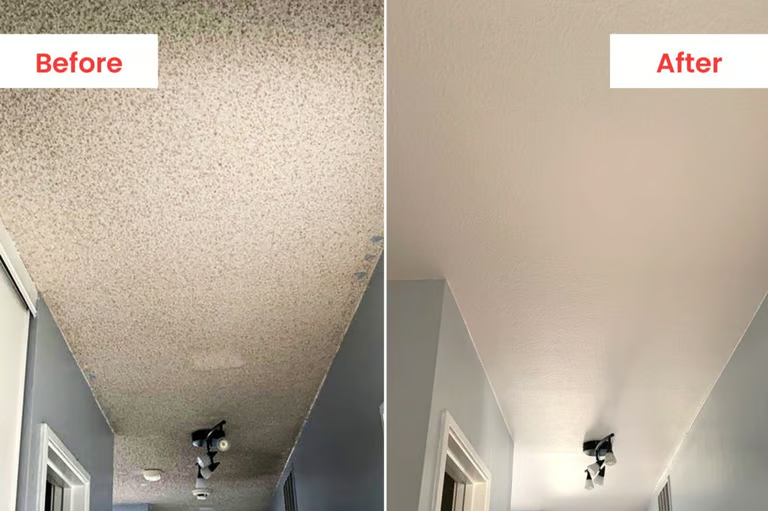
Popcorn ceilings, sometimes called acoustic or cottage cheese ceilings, are notoriously messy to repair. Taking the time to prepare properly not only protects your home and belongings, but it also ensures a smoother, longer-lasting finish. Rushing into a repair without the right setup is one of the most common reasons homeowners end up with uneven texture, visible patches, or damaged floors. A little planning goes a long way toward a professional-looking result.
Before you climb a ladder, make sure you have everything you need within reach. Essential items include joint compound or a pre-mixed popcorn ceiling patch product, a wide putty knife (6 to 10 inches), a spray bottle filled with water, fine-grit sandpaper, a drop cloth or plastic sheeting, painter's tape, safety goggles, and a dust mask or respirator. If your ceiling was installed before 1980, you should also purchase an asbestos test kit, as older popcorn textures often contain asbestos fibers.
Popcorn ceiling repairs create a surprising amount of dust and falling debris. Cover all furniture, floors, and light fixtures beneath the work area with heavy-duty drop cloths or plastic sheeting. Use painter's tape to secure the edges and prevent slipping. If you're working in a bedroom or living area, consider sealing off the room from the rest of the house by hanging a plastic barrier across the doorway. Turn off your HVAC system temporarily to keep dust from circulating through your ducts.
If your home was built before 1980, there is a real possibility that the popcorn texture on your ceiling contains asbestos. Disturbing asbestos-containing material without proper precautions can release dangerous fibers into the air. Before any scraping or sanding, take a small sample of the ceiling material and send it to a certified laboratory for testing. If the results come back positive, contact a licensed asbestos abatement professional rather than attempting the repair yourself.
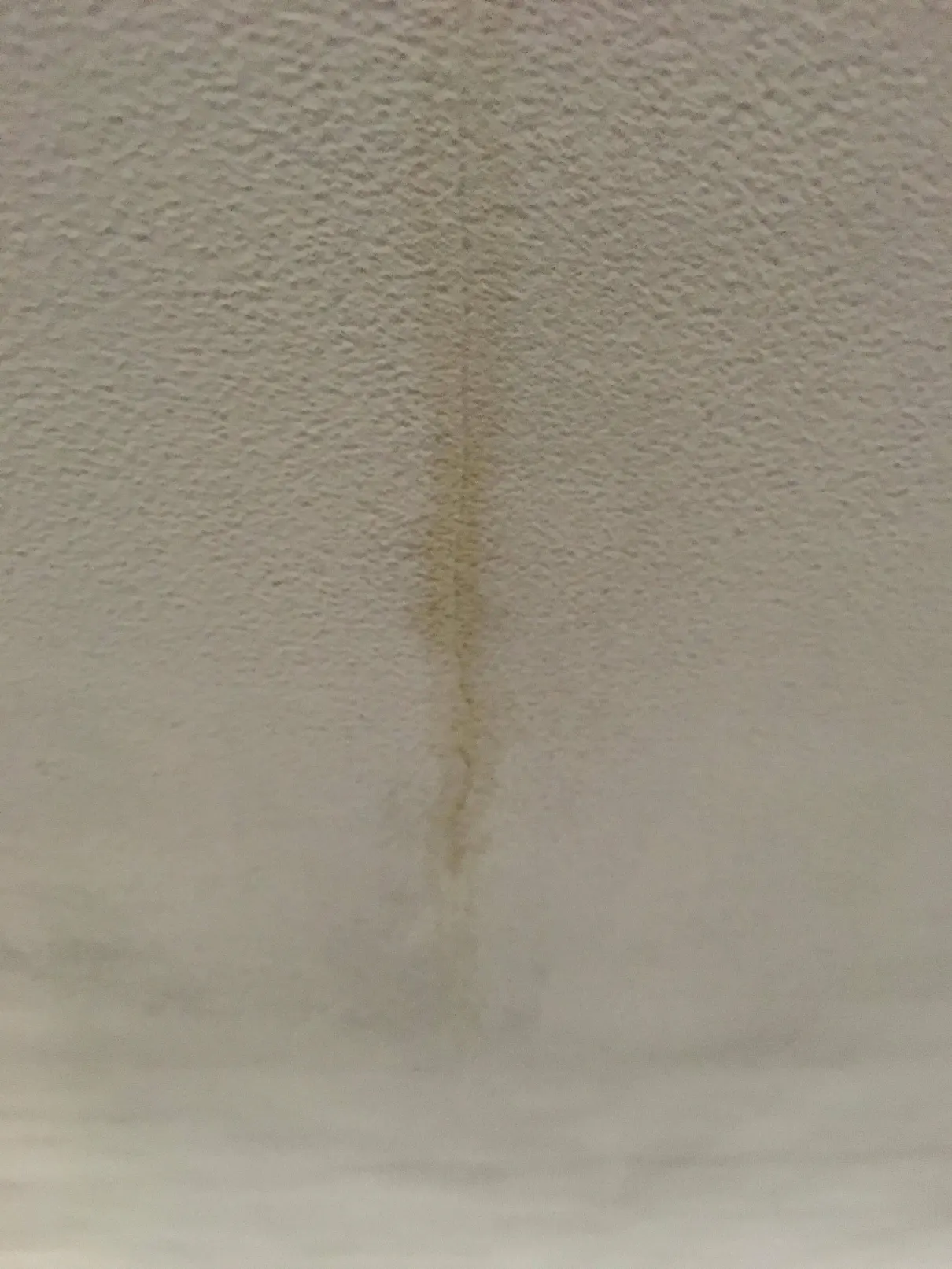
Take a close look at the damaged area and assess what kind of repair you're dealing with. Small cracks and minor chips can often be fixed with a simple re-texturing technique using a spray-on popcorn patch product. Larger damaged sections, water stains, or sagging areas may require cutting out the affected drywall and applying new joint compound before re-texturing. Photograph the damage, measure the area, and note whether the surrounding texture is peeling or stable. This assessment helps you buy the right amount of material and avoid multiple trips to the hardware store.
Cottage Cheese Ceiling Texture Removal in Western Mass. Cottage cheese Ceiling Repair and Cottage cheese ceiling removal throughout Western Mass Call for a free estimate.(413)302-0640
How To Prepare For Popcorn Ceiling Repair. A Guide on getting the materials, tools, and planning to repair a popcorn ceiling.